
Introducción
Maleic anhydride is an important chemical intermediate widely used in the production of resins, coatings, lubricants, and agricultural chemicals. During the production process, organic waste gas is often generated and may contain various volatile organic compounds (VOCs), such as acetic acid, methyl acetate, methanol, and methyl bromide.
If these organic gases are not properly treated, they can cause environmental pollution, odor problems, and potential health and safety risks. To address this issue, activated carbon is commonly used as an effective adsorption medium for organic waste gas removal.
Why Activated Carbon Is Used in Maleic Anhydride Production
In maleic anhydride production systems, waste gas often contains a mix of organic compounds with different molecular sizes and adsorption behaviors. Activated carbon is highly effective in capturing these pollutants due to its porous structure, large surface area, and stable adsorption performance.
It is especially suitable for removing:
- Acetic acid
- Methyl acetate
- Methanol
- Methyl bromide
- Other VOCs and odor-causing organic compounds
Because of these characteristics, activated carbon is widely used in gas purification systems in the chemical industry.
Recommended Activated Carbon for This Application
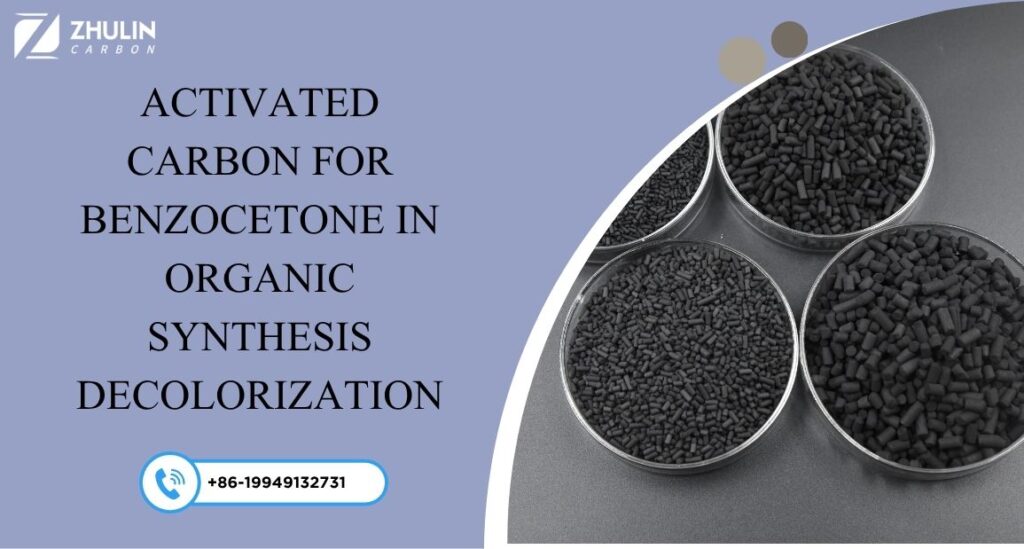
For this type of organic waste gas treatment, the recommended material is 40/60 coal-based columnar activated carbon. This specification offers a good balance of adsorption capacity, bed uniformity, and mechanical strength, making it suitable for industrial gas treatment systems.
Recommended Parameters
| Parámetro | Especificación |
|---|---|
| Tipo de producto | Columnar Activated Carbon |
| Materia prima | Coal-based |
| CTC | 40/60% |
| Aplicación | Organic waste gas removal |
| Main Target Pollutants | Acetic acid, methyl acetate, methanol, methyl bromide |
| Contenido de humedad | ≤ 5% |
| Contenido de ceniza | ≤ 12% |
| Dureza | ≥ 95% |
| Densidad aparente | 450–550 g/L |
| Forma | Cylindrical |
Caso de clientes
In one of our customer projects, activated carbon was used to absorb organic waste gas generated during maleic anhydride production. The gas stream mainly contained:
• Acetic acid
• Methyl acetate
• Methanol
• Methyl bromide
The treatment system was designed with 4 adsorption towers, each with a diameter of 3050 mm. The bottom layer of each absorber was filled with activated carbon, with a height of 620 mm. Above the activated carbon layer, a silica gel layer was installed, with a height of 3570 mm, to remove moisture from the gas stream after organic adsorption.
This layered treatment design allowed the system to remove organic pollutants first, followed by moisture removal, improving the overall purification efficiency. Zhulin recommend 40/60 columnar coal-based activated carbon is a practical choice for continuous industrial operation, offering stable adsorption capacity and long service life.
Application Scope
Activated carbon for organic waste gas removal from maleic anhydride production is also suitable for:
- Chemical plant exhaust treatment
- VOCs removal systems
- Odor control equipment
- Fixed-bed gas purification towers
- Industrial air pollution control systems
Conclusión
Activated carbon is an effective solution for removing organic waste gas from maleic anhydride production. If you are looking for activated carbon for organic waste gas removal, pls contact us for more details.