
Introducción
Liquefied Petroleum Gas, commonly known as LPG, is widely used in residential, commercial, and industrial applications because of its clean-burning properties and convenient storage. However, even after refining, LPG may still contain trace sulfur compounds, mercaptans, and other odorous impurities that affect its smell and overall product quality. To improve usability and meet market expectations, deodorization becomes an important processing step in LPG treatment.
Activated carbon plays a crucial role in this process. With its highly porous structure and strong adsorption capacity, activated carbon can effectively capture odor-causing substances from LPG, helping producers deliver cleaner, safer, and more acceptable fuel products.
Why LPG Needs Deodorization
Although LPG is naturally more refined than many other fuels, it can still retain small amounts of volatile sulfur compounds or other trace contaminants during production, storage, or transportation. These substances may not only cause an unpleasant odor but also create concerns regarding product quality, user experience, and compliance with industry standards.
In many cases, deodorization is necessary to:
- Remove unpleasant smells from LPG
- Reduce sulfur-containing impurities
- Improve the overall quality of the gas
- Enhance customer satisfaction
- Meet stricter commercial and industrial requirements
Because odor perception is extremely sensitive, even tiny amounts of impurities can be noticeable. This makes deodorization an essential part of LPG purification.
How Activated Carbon Works in LPG Deodorization
Activated carbon is a carbon-based adsorbent material known for its extremely large surface area and developed pore structure. These features allow it to attract and hold gas-phase impurities effectively.
During LPG deodorization, activated carbon adsorbs odor-causing molecules such as mercaptans and other sulfur-based compounds. As the gas passes through a carbon bed, these impurities are trapped within the pores of the activated carbon, reducing the intensity of the odor.
The process is simple, efficient, and does not require complex chemical additives. This makes activated carbon an attractive option for gas purification systems.
Recommended Activated Carbon for LPG Deodorization
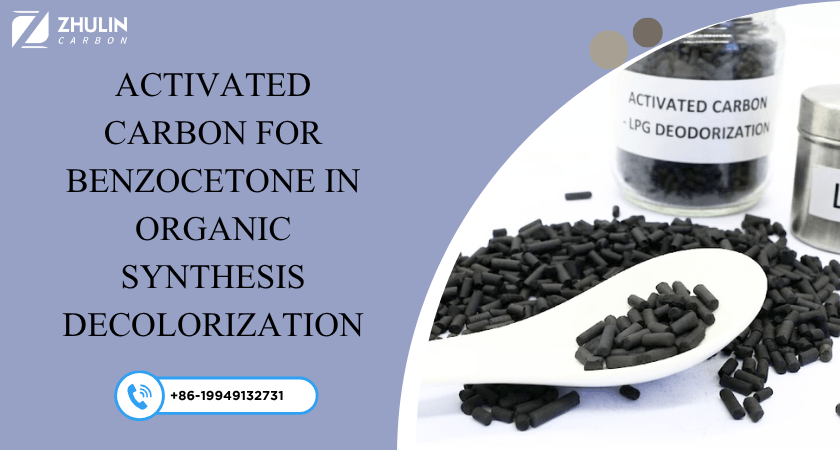
For LPG deodorization, KOH-impregnated activated carbon is commonly used to remove unpleasant odors and improve gas quality. The alkaline impregnation helps enhance the adsorption performance for specific odor-causing compounds, making it suitable for liquefied petroleum gas purification systems.
| Parámetro | Especificación |
|---|---|
| Tipo de producto | Carbón activo impregnado |
| Materia prima | Coal-based |
| Impregnation Agent | KOH |
| Tamaño de las partículas | 4 mm o personalizado |
| Número de yodo | 900-1100 mg/g |
| Área de superficie BET | ≥ 900 m²/g |
| Dureza | ≥ 95% |
| Contenido de ceniza | ≤ 12% |
| Contenido de humedad | ≤ 5% |
| Densidad aparente | 450–550 g/L |
| pH Value | 9–11 |
Advantages of Activated Carbon for LPG Treatment
Activated carbon offers several important benefits in liquefied petroleum gas deodorization:
1. High Adsorption Efficiency
Its porous structure provides a large number of active sites for capturing odor molecules and trace contaminants.
2. Strong Odor Removal Ability
Activated carbon is especially effective for reducing sulfur odors and other unpleasant smells commonly found in LPG.
3. Easy Integration
It can be used in fixed beds, filtration units, or gas treatment systems without significant changes to existing processes.
4. Stable Performance
High-quality activated carbon performs consistently and helps maintain product quality over time.
5. Cost-Effective Solution
Compared with more complicated purification methods, activated carbon is often a practical and economical deodorization material.
Common Applications in LPG Processing
Activated carbon for deodorization is used in a variety of LPG-related applications, including:
- Refining and purification systems
- Storage tank odor control
- Gas distribution treatment
- Industrial fuel preparation
- Commercial LPG quality improvement
In these systems, activated carbon helps ensure that the final gas product is cleaner and more acceptable for end users.
Conclusión
Activated carbon is an effective and reliable material for deodorization from liquefied petroleum gas. By removing odor-causing impurities such as sulfur compounds and mercaptans, it helps improve gas quality, enhance user experience, and support cleaner fuel production.
For LPG processors and gas purification companies, activated carbon offers a practical solution that combines efficiency, simplicity, and cost-effectiveness.