...

植物油淨化用活性碳

植物油淨化用活性碳

介紹

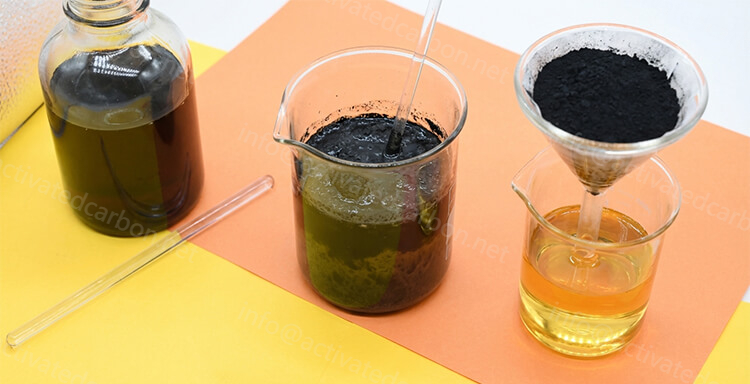
As consumers demand healthier and more refined food products, the quality of vegetable oils is scrutinized more than ever. To meet strict regulatory standards for contaminants like Polycyclic Aromatic Hydrocarbons (PAHs) and pesticides, and to deliver oil with a neutral taste and crystal-clear appearance, manufacturers must employ sophisticated purification processes. This is where activated carbon plays a pivotal role.

In this blog post, we will explore the critical function of activated carbon in vegetable oil purification, the types of oils it refines, and the key benefits it brings to the refining process.

Why Purification Is Essential in Vegetable Oil Refining

Crude vegetable oils, whether sourced from seeds like sunflower, soybean, rapeseed (canola), or fruits like palm and olive, contain numerous impurities. These include pigments (like chlorophyll and carotenoids), free fatty acids, trace metals, oxidation products, pesticides, and PAHs. If not removed, these contaminants affect the oil’s safety, shelf life, flavor, and visual appeal.

Purification is essential to ensure a safe, stable, and palatable product for the end consumer. Activated carbon, in conjunction with other refining agents like bleaching earth, provides a comprehensive solution for removing these challenging impurities.

The Role of Activated Carbon in Vegetable Oil Refining

Vegetable oil refining typically involves several stages: degumming, neutralization, bleaching, and deodorization. Activated carbon is most commonly utilized during the bleaching and deodorization phases. It operates primarily through adsorption, a physical process where contaminants are trapped within its vast porous structure.

•  Removal of Specific Contaminants: While bleaching earth is effective for overall color removal, activated carbon is unmatched in targeting specific, difficult-to-remove contaminants.
•  Tackling PAHs: It is the primary tool for reducing Polycyclic Aromatic Hydrocarbons (PAHs), which can be present due to environmental pollution or formed during seed drying.
•  Pesticide Remediation: It is highly effective at adsorbing pesticide residues.

However, not all activated carbons perform equally well in edible oil purification. For vegetable oil decolorization, the most suitable and widely used type is wood‑based powdered activated carbon (wood PAC) due to its pore structure, adsorption behavior, and excellent dispersibility.

Powder Activated Carbon (PAC) Parameters

範圍典型值
原料木頭
水分≤ 10%
灰分含量2% – 6%
pH (10% slurry)4 – 7
堆積密度200 – 350 g/L
粒徑≥ 95% passing 200 mesh; premium: ≥ 99% passing 325 mesh
碘值900 – 1100 mg/g
亞甲藍值150 – 200 mg/g
Caramel Decolorization100% – 150%
Surface Area (BET)900 – 1200 m²/g
孔隙結構Mesopore-rich (ideal for pigments)

Types of Vegetable Oils Purified Using Activated Carbon

Activated carbon is a versatile purification agent, suitable for a broad spectrum of vegetable oils:

  • Sunflower Oil
  • Palm Oil
  • Soybean Oil
  • Rapeseed/Canola Oil
  • Olive Oil
  • Coconut Oil
  • Corn Oil
  • Cottonseed Oil

Each type of oil presents unique purification challenges, from high chlorophyll content in canola oil to significant PAH concerns in sunflower oil. Selecting the correct grade and dosage of activated carbon is vital for optimal results.

Key Benefits of Using High-Quality Activated Carbon

Using a premium, specially-engineered activated carbon in your vegetable oil processing offers several key advantages:

  1. Superior Contaminant Removal (PAHs & Pesticides):
    Achieve compliance with stringent food safety regulations by efficiently lowering PAHs and pesticide levels, ensuring the oil is safe for consumption.
  2. Effective Decolorization:
    Activated carbon assists bleaching earth in removing pigments like chlorophyll and carotenoids, resulting in a bright, clear, and visually appealing final product.
  3. Enhanced Stability and Extended Shelf Life:
    By eliminating oxidation products and trace metals, activated carbon prevents the development of rancidity, preserving the oil’s quality over time.
  4. Neutral Taste and Odor:
    It removes flavor and odor precursors, allowing for a neutral profile that doesn’t interfere with the food’s natural flavors.
  5. Improved Filtration Efficiency:
    High-quality activated carbon can enhance the overall filtration process when used with filter aids, preventing filter blinding and increasing throughput.
  6. Process Consistency:
    Consistent, high-performance activated carbon ensures reliable and predictable results, critical for meeting quality specifications in continuous refining operations.

How to Choose the Right Activated Carbon for Your Oil

activated carbon for oil purification 1

Selecting the most suitable activated carbon is crucial, as the performance depends on the feed material and the process conditions. At Zhulin Carbon, we offer specialized grades for the edible oil industry. Key factors to consider include:

Target Contaminants: Are you primarily removing color, PAHs, or pesticides?
Raw Material: Are you processing palm, sunflower, canola, or soybean oil?
Pore Structure: Steam-activated carbon (microporous) or phosphoric acid-activated carbon (mesoporous)?
Particle Size: Powdered activated carbon (PAC) is generally preferred for oil purification due to its large surface area and rapid adsorption kinetics.
Our technical experts can help you select the precise grade of activated carbon required to meet your specific refining goals. For more information, please contact us.

結論

Activated carbon is indispensable in the production of high-quality, safe, and stable vegetable oils. By selecting the right grade and optimizing its application, manufacturers can achieve superior contaminant removal, exceptional clarity, and the neutral flavor profiles that consumers expect. Choosing a reliable, high-purity activated carbon is not just an operational decision; it is a commitment to quality and food safety.

你想要 取得報價

嘿🖐,如果您想獲得更多產品資訊或報價,請點擊下面的按鈕與我們聯絡👇

獲得免費諮詢
並報價